
weight loss & fitness BLOG
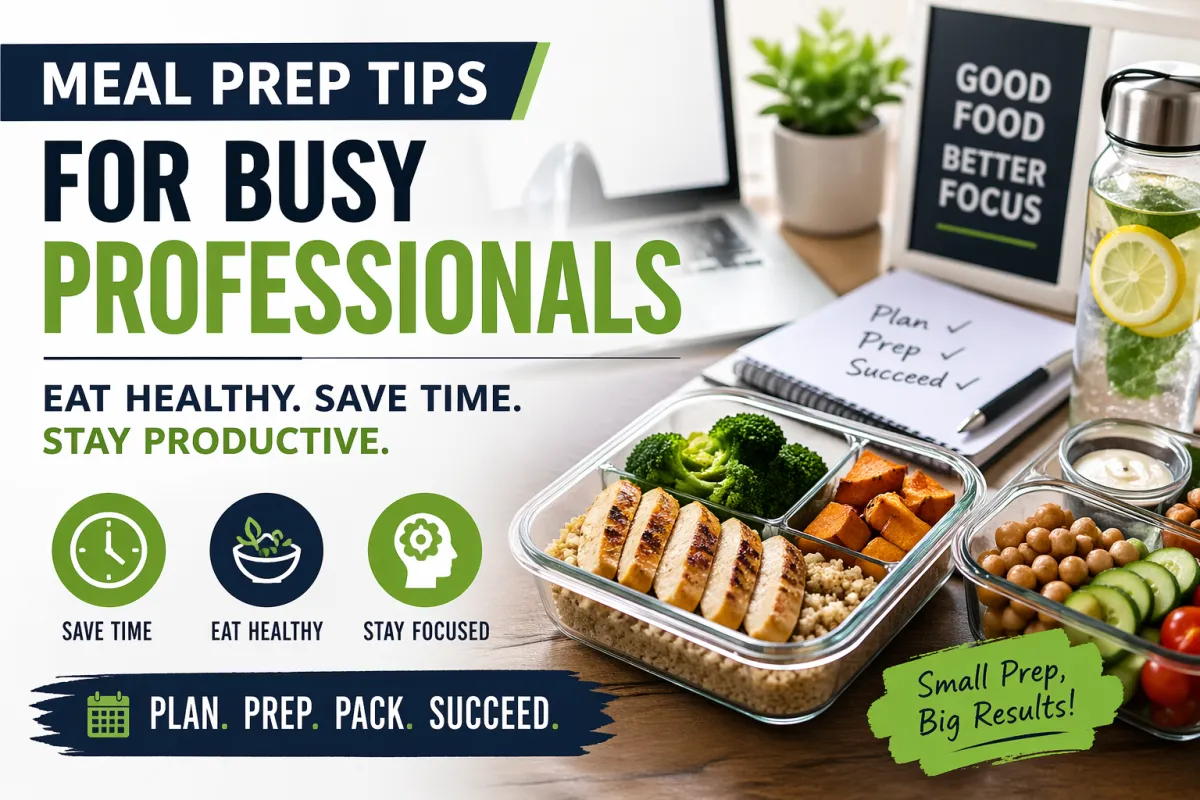
Healthy Eating for Busy Professionals
The Modern Professional’s Nutrition Dilemma
Between back-to-back meetings, endless emails, and late-night deadlines, finding time to cook a balanced meal can feel impossible. Many professionals in Washington Township end up grabbing quick takeout, skipping breakfast, or surviving on coffee and snacks.
Sound familiar? The truth is, healthy eating doesn’t require hours in the kitchen — just smart planning. With a little preparation, you can eat well even on your busiest days.
The Challenge of Staying Healthy with a Packed Schedule
When your schedule is overflowing, cooking feels like another job. But here’s the thing — neglecting your nutrition eventually costs you energy, focus, and productivity. A tired brain and sluggish body can’t perform at their best.
Why “No Time to Cook” Is a Myth You Can Overcome
Most people don’t need more time — they need a system. Meal prepping helps you organize your week so food becomes effortless. Think of it as outsourcing your future self’s stress.
Understanding What Healthy Eating Really Means
Beyond Salads and Smoothies – The Balanced Plate
Healthy eating isn’t about restriction or boring meals. It’s about balance — protein for muscle repair, complex carbs for energy, and good fats for brain health. When you plan ahead, it’s easy to build this balance into every meal.
How Nutrition Impacts Productivity and Focus at Work
Skipping meals or eating processed foods can cause blood sugar spikes, leading to fatigue and brain fog. Nutritious meals stabilize energy and keep your concentration sharp throughout the day.
The Biggest Mistakes Busy Professionals Make
Skipping Meals and Overeating Later
Skipping breakfast or lunch might seem efficient, but it often backfires — leading to overeating at dinner or late-night snacking.
Relying Too Much on Takeout or Processed Foods
Restaurant meals are often loaded with sodium, hidden sugars, and unhealthy fats. They might save time but drain your long-term energy and focus.
Ignoring Hydration and Its Effects on Energy
Even mild dehydration can reduce alertness. Keep a reusable bottle nearby and aim for at least 2–3 liters daily.
The Art of Meal Prepping – A Game Changer for Your Week
What Is Meal Prep and Why It Works
Meal prepping means preparing your meals in advance — typically for three to five days — so you always have healthy options ready. It eliminates decision fatigue and keeps you from grabbing junk food when you’re busy.
How to Build a Meal Prep Routine That Fits Your Lifestyle
Start small. Maybe prep just lunches for the workweek. Once that becomes a habit, expand to breakfasts and dinners.
The 3-Step Prep System: Plan, Prep, and Pack
Plan your meals and grocery list.
Prep ingredients in batches (grill, bake, chop).
Pack in reusable containers so they’re easy to grab.
Step-by-Step: How to Prep Like a Pro
Step 1 – Plan Your Week (Time-Saving Tools and Apps)
Use tools like Mealime, Paprika, or Google Sheets to organize your meals. Schedule prep time on Sundays or whenever your week slows down.
Step 2 – Smart Grocery Shopping Tips
Shop with a list — and don’t do it hungry! Stick to the outer aisles where the fresh produce, protein, and whole foods are located.
Step 3 – Batch Cooking and Portion Control
Cook large batches of versatile foods like grilled chicken, quinoa, or roasted vegetables. Use smaller containers to control portions and prevent overeating.
Step 4 – Storage Hacks to Keep Food Fresh
Use airtight glass containers for salads and cooked meals. Label everything with the date to track freshness — most meals last 3–4 days refrigerated.
Sample 5-Day Meal Prep Plan for Professionals
Quick Breakfasts That Keep You Full
Overnight oats with chia seeds and almond milk
Egg muffins with spinach and feta
Greek yogurt with granola and berries
Lunches You Can Grab and Go
Quinoa bowl with grilled chicken and veggies
Turkey wraps with hummus and whole-grain tortillas
Lentil soup with side salad
Energizing Snacks Between Meetings
Roasted chickpeas
Handful of nuts and fruit
Veggie sticks with guacamole
Easy Dinners to Reheat After Work
Baked salmon with sweet potatoes
Stir-fried tofu and broccoli
Brown rice with shrimp and veggies
How to Stay Consistent When Work Gets Hectic
The Power of Sunday Prep Sessions
Treat meal prep like an appointment. Block 90 minutes on Sunday to chop, cook, and portion. You’ll thank yourself all week long.
Use Technology to Stay Accountable
Apps like MyFitnessPal or Cronometer can remind you to stay hydrated and track your nutrition goals easily.
How to Handle Business Travel or Late Nights
When traveling, look for hotels with microwaves or fridges. Pack snacks like nuts, protein bars, and fruit. For late nights, choose simple meals like scrambled eggs or pre-made salads instead of takeout.
Local Inspiration – Smart Eating Habits for Washington Township Professionals
Healthy Cafés and Grab-and-Go Spots Nearby
Washington Township has several spots offering wholesome options — like grilled wraps, salad bars, and smoothie cafés. Opt for lean proteins, veggies, and whole grains when eating out.
How Community Wellness Programs Can Support You
Many local wellness centers and nutritionists offer programs for working adults — from stress management to nutrition planning — to make healthy eating easier and more sustainable.
Conclusion – Small Prep, Big Results
Meal prepping isn’t about perfection — it’s about progress. Once you start, you’ll find it saves time, money, and stress while improving your health and focus.
Even if you only prep two meals this week, that’s two fewer chances to settle for junk food. And that’s how real, lasting habits begin.
FAQs
1. How much time should meal prepping take each week?
Usually 1–2 hours once a week. With practice, you can prepare meals for 3–5 days in under 90 minutes.
2. What if I hate cooking but want to eat healthy?
Start with easy recipes or use pre-cooked ingredients like rotisserie chicken, canned beans, or frozen vegetables to save time.
3. How long can prepped meals last in the fridge?
Most cooked meals stay fresh for 3–4 days. For longer storage, freeze and reheat when needed.
4. Can meal prepping help with weight management?
Absolutely! Prepping helps you control portions and avoid last-minute unhealthy choices, making it easier to stay on track.
5. What’s the easiest way to start meal prepping for beginners?
Begin with one meal (like lunch), prep for 2–3 days, and expand as it becomes part of your routine.

These blogs are filled with knowledge but our team has 10x and can't wait to help you!
Raw Fitness Reviews
58928 Van Dyke Rd, Washington Township, Michigan 48094
info@madeatrawfitness.com


© 2026 Raw Fitness
58928 Van Dyke Rd, Washington Township, Michigan 48094
info@madeatrawfitness.com
© 2026 Raw Fitness
|
|